
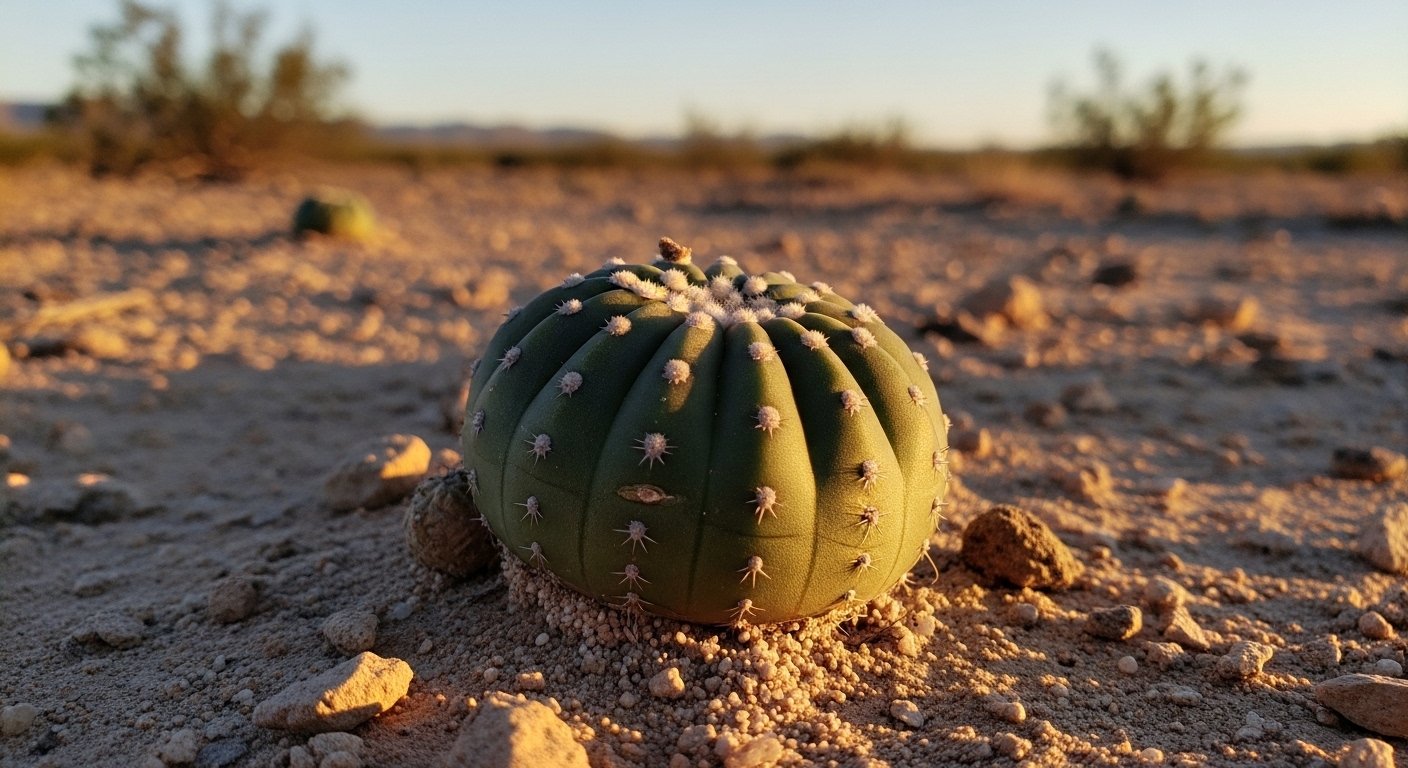
Mescaline powder has intrigued people for centuries, blending ancient traditions with modern curiosity. Derived primarily from certain cacti, this substance is known for its powerful hallucinogenic properties. In its powdered form, mescaline offers a concentrated way to experience its effects, but it’s essential to approach the topic with caution due to its legal and health implications. Whether you’re interested in its historical roots or scientific aspects, understanding mescaline powder provides insight into how natural compounds can influence human perception and culture.
This article explores the fascinating world of mescaline powder, from its natural sources to its role in spiritual practices. We’ll cover its chemical makeup, potential effects on the mind and body, and why it remains a subject of debate in today’s society. By examining reliable historical and scientific perspectives, we aim to provide a balanced view that highlights both its allure and the serious considerations involved.
The Natural Origins of Mescaline Powder
Mescaline powder starts its journey in the arid landscapes of North and South America, where specific cacti have thrived for millennia. The most famous source is the peyote cactus, scientifically known as Lophophora williamsii. This small, spineless plant grows in the deserts of Mexico and the southwestern United States, producing button-like crowns that contain the active compound.
To create mescaline powder, the peyote buttons are harvested, dried, and ground into a fine consistency. This process preserves the alkaloid content, making it easier to handle and consume in various ways. Other cacti, like the San Pedro (Echinopsis pachanoi) and Peruvian Torch (Echinopsis peruviana), also yield mescaline, though in varying concentrations. These plants have adapted to harsh environments, storing psychoactive compounds that may serve as natural defenses against predators.
Indigenous communities, particularly Native American tribes such as the Huichol and Navajo, have long revered these cacti. They incorporate the powdered form into rituals that foster spiritual connection and healing. The powder’s earthy, bitter taste is often masked by mixing it with other natural elements during ceremonies. This cultural heritage underscores how mescaline powder isn’t just a substance but a bridge to ancestral wisdom.
Scientifically, mescaline belongs to the phenethylamine class, similar to some neurotransmitters in the human brain. Its chemical structure, 3,4,5-trimethoxyphenethylamine, allows it to interact with serotonin receptors, leading to altered states of consciousness. While synthetic versions exist, the natural powder from cacti often includes additional alkaloids that might enhance or modify its effects.
Historical Significance and Cultural Uses
The story of mescaline powder dates back thousands of years, embedded in the spiritual practices of Mesoamerican civilizations. Archaeological evidence suggests that peyote use began around 5,000 years ago, with the plant’s powder playing a central role in shamanic rituals. These ceremonies aimed to induce visions for guidance, healing, and communion with the divine.
In the late 19th century, Western scientists took notice. German chemist Arthur Heffter isolated mescaline in 1897 from peyote, marking the first time the compound was extracted in pure form. By 1919, it was synthesized in a lab, opening doors to research. Writers and intellectuals like Aldous Huxley experimented with mescaline powder, documenting their experiences in works such as “The Doors of Perception.” Huxley’s accounts popularized the substance among artists and thinkers, portraying it as a tool for expanding awareness.
During the mid-20th century, mescaline powder influenced the psychedelic movement. Researchers explored its potential in psychotherapy, noting how it could help patients confront deep-seated emotions. However, growing concerns over recreational use led to regulatory crackdowns. Today, its cultural legacy persists in legal exemptions for certain Native American religious practices, where the powder is used in controlled, sacred settings.
Beyond rituals, mescaline powder has inspired art, literature, and music. From Native American peyote songs to modern psychedelic festivals, it symbolizes a quest for deeper understanding. Yet, this history also highlights the tension between traditional reverence and contemporary restrictions, reminding us of the need for respectful engagement with such substances.
Understanding the Effects of Mescaline Powder
When discussing mescaline powder, its effects on the human psyche and body are central to the conversation. As a classic hallucinogen, it primarily affects serotonin pathways in the brain, leading to profound changes in perception. Users often report vivid visual patterns, such as geometric shapes or enhanced colors, alongside a distorted sense of time and self.
Physically, mescaline powder can cause nausea, increased heart rate, and pupil dilation, especially in the initial stages. These sensations typically subside as the experience progresses, giving way to euphoria or introspection. The duration of effects can last 12 to 18 hours, depending on dosage and individual factors like metabolism.
Mentally, the powder may evoke spiritual insights or emotional releases. Some describe synesthesia, where senses blend—sounds become visible, or colors have tastes. This altered state can foster creativity or personal growth, but it’s not without risks. Negative experiences, known as “bad trips,” might involve anxiety, confusion, or paranoia, particularly in unfamiliar settings.
Research from sources like scientific journals indicates that mescaline powder’s impact varies widely. Factors such as mindset, environment, and dosage play crucial roles. While some studies suggest potential benefits for mental health conditions like depression or PTSD, these are preliminary and conducted under strict controls. It’s important to note that self-experimentation carries significant health risks, including potential long-term psychological effects.
Legal Status and Modern Challenges
Mescaline powder’s legal standing is complex and varies globally. In the United States, it’s classified as a Schedule I controlled substance under the Controlled Substances Act, meaning it’s considered to have high abuse potential and no accepted medical use. Possession, distribution, or manufacture can lead to severe penalties.
However, an exception exists for members of the Native American Church, who may use peyote-derived mescaline powder in religious ceremonies. This exemption reflects efforts to preserve cultural rights amid broader prohibitions. In countries like Canada and parts of Europe, similar restrictions apply, though some allow limited research.
The illegality stems from concerns over misuse and health risks. Overdoses are rare, but combining mescaline powder with other substances can be dangerous. Environmental challenges also arise, as overharvesting peyote threatens wild populations. Conservation efforts promote sustainable practices, like cultivating cacti to reduce pressure on natural habitats.
In recent years, renewed interest in psychedelics has sparked debates about decriminalization. Advocates argue for therapeutic potential, citing studies on related compounds. Yet, experts caution against unregulated use, emphasizing the need for professional guidance to mitigate risks.
Scientific Insights and Potential Applications
Delving into the science, mescaline powder has been a subject of study since its isolation. Early experiments by psychiatrists like Humphry Osmond explored its ability to mimic psychotic states, aiding understanding of mental illnesses. Today, neuroscience examines how it activates brain regions involved in emotion and perception.
Biochemically, mescaline powder’s structure allows it to bind to 5-HT2A receptors, triggering cascades that alter neural communication. This mechanism is shared with other psychedelics, offering clues to consciousness itself. Recent genomic research on peyote has mapped the biosynthetic pathway, revealing how the cactus produces the compound through enzymatic steps.
Potential applications include mental health treatment. Preliminary trials suggest mescaline powder could help with addiction, anxiety, or trauma, by promoting neuroplasticity—the brain’s ability to rewire itself. However, these are in early stages, and rigorous clinical testing is required.
Environmentally, understanding mescaline production could lead to sustainable synthesis, reducing reliance on wild cacti. Innovations like bioengineering tobacco plants to produce mescaline intermediates show promise for ethical alternatives.
Health Risks and Safety Considerations
While mescaline powder holds historical and cultural value, its use comes with notable health risks. Acute effects might include vomiting or rapid heartbeat, which can be distressing. Long-term, repeated exposure could affect mental health, potentially exacerbating conditions like schizophrenia.
Interactions with medications, such as antidepressants, pose additional dangers. Pregnant individuals should avoid it entirely due to unknown fetal impacts. Psychological risks include hallucinogen persisting perception disorder (HPPD), where flashbacks occur post-use.
Safety tips, if considering educational contexts, emphasize set and setting—mental preparation and a supportive environment. Hydration and rest are crucial during experiences. Ultimately, given its illegal status, the safest approach is abstinence and seeking professional advice for any curiosity.
The Future of Mescaline Powder Research
Looking ahead, mescaline powder’s role in science and society may evolve. With the psychedelic renaissance, more studies are funded to explore its therapeutic promise. Organizations advocate for policy changes, balancing cultural respect with public health.
Challenges remain, including stigma and regulatory hurdles. Yet, as awareness grows, mescaline powder could contribute to holistic wellness approaches. Its story reminds us of nature’s complexity and the importance of ethical stewardship.
In conclusion, mescaline powder encapsulates a rich tapestry of history, science, and culture. From desert cacti to modern labs, it invites reflection on human consciousness. While intriguing, its use demands respect for legal boundaries and personal well-being. By appreciating its context, we honor the traditions that shaped it and pave the way for informed discussions.
FAQs
What is mescaline powder made from?
Mescaline powder is primarily derived from the dried and ground buttons of the peyote cactus or similar plants. It contains the natural alkaloid mescaline, along with other compounds from the cactus.
Is mescaline powder legal to possess?
In most countries, including the US, mescaline powder is illegal except for specific religious exemptions granted to certain Native American groups. Always check local laws.
How long do the effects of mescaline powder last?
The effects typically begin within 1-2 hours and can last up to 12-18 hours, varying based on dosage and individual factors.
Are there any medical uses for mescaline powder?
Research is ongoing into potential therapeutic applications for mental health issues, but it’s not approved for medical use and remains experimental.
What are the main risks associated with mescaline powder?
Risks include physical side effects like nausea, psychological distress during experiences, and legal consequences. Long-term effects are not fully understood.